What Is Fish Farming?
Fish Farming is a form of aquaculture that involves raising fish in tanks, ponds, or enclosures for commercial purposes. It is one of the fastest-growing food production industries in the world. With increasing demand for seafood and declining wild fish stocks, provides a sustainable solution to meet global protein needs.
Fish Farming allows farmers to control water quality, feeding, breeding, and disease management. This controlled environment improves productivity and ensures consistent supply throughout the year.
Why Fish Farming Is Important
Fish Farming plays a crucial role in global food security. As the population grows, the demand for affordable protein increases. Fish is a healthy source of protein, omega-3 fatty acids, vitamins, and minerals.
Here are key reasons why s important:
-
Reduces pressure on wild fisheries
-
Ensures steady seafood supply
-
Creates employment opportunities
-
Supports rural economic development
-
Promotes sustainable food production
According to the Food and Agriculture Organization, aquaculture now produces more than half of the fish consumed worldwide. This highlights how essential has become.
Types of Fish Farming Systems
Different Fish Farming systems are used depending on location, investment, and target species. Understanding these systems helps farmers choose the most suitable method.
1. Pond Fish Farming
Pond is the most traditional and widely used method. Farmers construct earthen ponds and stock them with fish fingerlings. The fish grow naturally with supplemental feeding.
This method is cost-effective and ideal for beginners. Common species raised in pond include carp and tilapia.
2. Cage Fish Farming
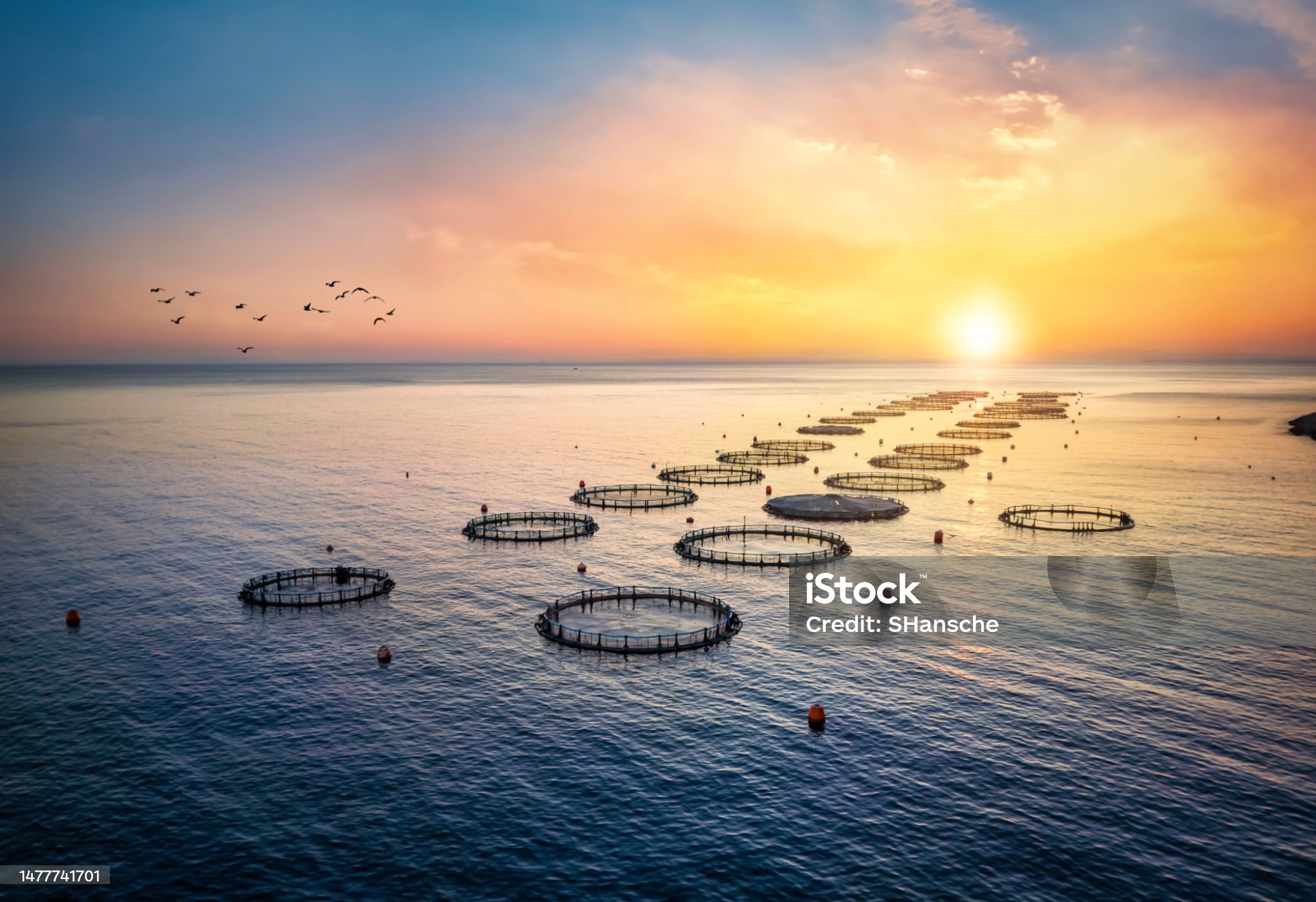
Cage involves placing cages in lakes, rivers, or coastal waters. Fish are confined within netted enclosures while natural water flows through the cages.
This system allows large-scalewithout land excavation. However, it requires careful environmental monitoring.
3. Tank Fish Farming
Tank uses concrete or plastic tanks to raise fish in a fully controlled environment. This system is suitable for urban areas and intensive production.
Farmers can regulate temperature, oxygen levels, and feeding schedules. Although initial costs are higher, tank g can yield higher productivity.
4. Recirculating Aquaculture Systems (RAS)
Recirculating Aquaculture Systems reuse water through filtration and biological treatment. This advancedmethod minimizes water usage and environmental impact.
RAS is ideal for sustainable and is gaining popularity worldwide.
Popular Species in Fish Farming
Choosing the right species is critical for successful Fish Farming. The selection depends on climate, market demand, and water availability.
Common species include:
-
Tilapia – Fast-growing and highly adaptable
-
Catfish – Hardy and suitable for pond systems
-
Salmon – Popular in commercial cage farming
-
Carp – Widely farmed globally
Each species has unique feeding and environmental requirements. Proper research ensures profitable operations.
Benefits of Fish Farming
offers several economic and environmental advantages.
1. High Profit Potential
can generate steady income due to high market demand. With proper management, farmers can achieve significant returns on investment.
2. Efficient Land Use
Compared to livestock farming, requires less land. Intensive systems produce large quantities in small areas.
3. Sustainable Protein Source
reduces overfishing and supports marine conservation. Sustainable practices help maintain ecological balance.
4. Job Creation
creates employment in hatcheries, feed production, processing, and distribution sectors.
Challenges in Fish Farming
While is profitable, it also faces challenges.
Disease Management
Fish are vulnerable to bacterial, viral, and parasitic infections. Poor water quality can increase disease outbreaks in Fish Farming systems.
Environmental Concerns
Improper waste disposal and overfeeding can pollute water bodies. Responsible Fractices are necessary to minimize environmental impact.
Initial Investment
Modern systems like RAS require significant capital. Farmers must carefully plan their budgets.
Steps to Start a Fish Farming Business
Starting a business requires careful planning and management.
1. Conduct Market Research
Analyze local demand, pricing, and competition. Identify which fish species are most profitable in your area.
2. Choose the Right Location
Select a site with reliable water supply and suitable climate conditions for Fish Farming.
3. Design the Farming System
Decide whether pond, cage, tank, or RAS suits your budget and goals.
4. Source Quality Fingerlings
Purchase healthy fingerlings from certified hatcheries to ensure successfulg production.
5. Provide Proper Feed and Care
High-quality feed improves growth rates and reduces mortality in Fish Farming.
6. Monitor Water Quality
Maintain optimal oxygen, pH, and temperature levels. Regular monitoring ensures healthy perations.
Sustainable Practices in Fish Farming
Sustainability is key to long-term success in Fish Farming.
-
Use eco-friendly feeds
-
Avoid overstocking
-
Implement waste management systems
-
Monitor environmental impact
Organizations like the World Wildlife Fund promote responsible aquaculture practices to ensure remains environmentally friendly.
Future of Fish Farming
The future of looks promising. Technological advancements such as automation, smart sensors, and AI-based monitoring are transforming the industry.
As global seafood demand rises, will continue to expand. Sustainable innovations will make ore efficient and environmentally responsible.
Governments and international organizations are investing in aquaculture development to strengthen food security and economic growth.
Conclusion
is a sustainable, profitable, and essential component of modern food production. With proper planning, responsible practices, and effective management, can provide steady income and support global nutrition needs.
From pond systems to advanced recirculating systems, offers flexible opportunities for entrepreneurs and investors. As demand for seafood continues to rise, will remain a vital industry for years to come.
If you are considering entering the aquaculture industry, now is the perfect time to explore the vast potential of Fish Farming.