Fish farming, also known as aquaculture, is one of the fastest-growing sectors of the global food industry. As the demand for protein-rich food continues to rise, fish farming has become a reliable solution for meeting nutritional needs while creating employment opportunities for millions of people worldwide. In this article, we will explore what fish farming is, why it matters, the different types of fish farming systems, and how you can start your own fish farming business successfully.
What is Fish Farming?
Fish farming is the practice of breeding, raising, and harvesting fish in controlled environments such as ponds, tanks, cages, or raceways. Unlike traditional fishing, which depends on catching fish from natural water bodies, fish farming allows farmers to manage the entire life cycle of fish, from hatching to harvesting. This controlled approach ensures a steady and predictable supply of fish throughout the year.
Fish farming plays a crucial role in food security. With wild fish populations declining due to overfishing and environmental changes, fish farming offers a sustainable alternative that reduces pressure on natural ecosystems while still meeting the growing demand for seafood.
Why Fish Farming is Important
There are several reasons why fish farming has gained massive popularity around the world:
- Food Security – provides a consistent and affordable source of protein for millions of people, especially in developing countries.
- Economic Growth – Fish farming creates jobs in rural areas, from farm workers to feed suppliers and distributors.
- Environmental Sustainability – Well-managed fish farming reduces the strain on wild fish stocks and helps protect marine biodiversity.
- Controlled Production – Farmers can control water quality, feeding schedules, and breeding conditions, leading to higher yields and healthier fish.
Types of Fish Farming Systems
Understanding the different types of fish farming systems is essential before starting your own operation. Here are the most common methods used in modern aquaculture:
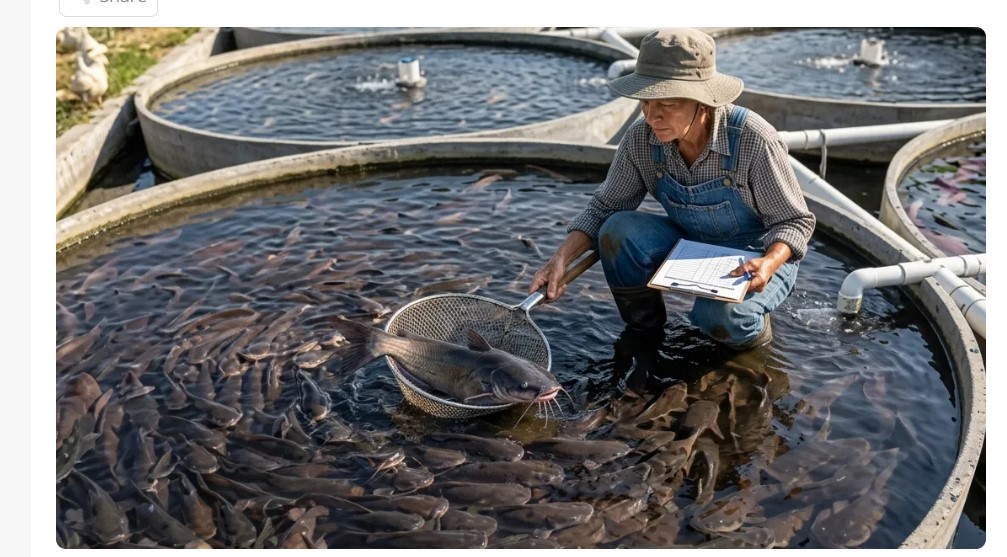
1. Pond Fish Farming
Pond fish farming is the most traditional and widely used method. Farmers dig ponds and stock them with fish species such as tilapia, catfish, or carp. This method is relatively low-cost and easy to manage, making it ideal for small-scale farmers.
2. Cage Fish Farming
In cage fish farming, fish are raised in net cages placed in natural water bodies like lakes, rivers, or coastal areas. This method allows for higher stocking densities and is often used for commercial-scale
3. Recirculating Aquaculture Systems (RAS)
RAS is a moderntechnique that uses filtration systems to recycle water within tanks. This method is highly efficient, requires less water, and can be set up in any location, including urban areas. through RAS is gaining popularity due to its sustainability and scalability.
4. Aquaponics
Aquaponics combines fish farming with hydroponic plant cultivation. Fish waste provides nutrients for plants, while the plants help purify the water for the fish. This symbiotic system is an eco-friendly approach to that maximizes resource efficiency.
Best Fish Species for Fish Farming
Choosing the right fish species is a critical step in successful fish farming. Some of the most popular species include:
- Tilapia – Known for its fast growth rate and adaptability to different water conditions.
- Catfish – Hardy and resistant to disease, making it a favorite among beginner fish farmers.
- Carp – Widely farmed in Asia due to its ability to thrive in various environments.
- Salmon – A high-value species commonly farmed in cooler climates.
- Shrimp – Although technically a crustacean, shrimp farming is often grouped with due to similar techniques.
How to Start a Fish Farming Business
If you are planning to start a business, here are the essential steps to follow:
Step 1: Research and Planning
Before diving into research the local market demand, available water resources, and suitable fish species for your region. A solid business plan will help you estimate costs, expected returns, and potential challenges.
Step 2: Choose the Right Location
The success of depends heavily on water quality and availability. Select a location with access to clean water, proper drainage, and minimal risk of contamination.
Step 3: Set Up Infrastructure
Depending on your chosen system, you will need to build ponds, install cages, or set up tanks with proper filtration equipment. Investing in quality infrastructure ensures long-term productivity.
Step 4: Stock Your Fish
Purchase healthy fingerlings or juvenile fish from a reputable hatchery. Proper stocking density is important to avoid overcrowding, which can lead to disease outbreaks and poor growth.
Step 5: Feeding and Water Management
Feeding is one of the most significant costs in . Use high-quality feed formulated for your specific fish species, and monitor water quality regularly to maintain optimal oxygen levels and pH balance.
Step 6: Monitor Health and Growth
Regularly check for signs of disease, stress, or poor growth. Early detection of problems can prevent major losses in your operation.
Step 7: Harvesting and Marketing
Once your fish reach market size, plan an efficient harvesting process. Building relationships with local markets, restaurants, and wholesalers will help ensure a steady income from your business.
Challenges in Fish Farming
Whileoffers many benefits, it also comes with challenges such as:
- Disease Outbreaks – Poor water quality or overcrowding can lead to disease, affecting fish health and farm profitability.
- Water Pollution – Improper waste management can contaminate surrounding water bodies.
- High Initial Investment – Setting up infrastructure for can require significant upfront capital.
- Climate Sensitivity – Extreme weather conditions can impact water temperature and fish survival rates.
Despite these challenges, with proper planning, training, and access to modern technology, fremains a highly profitable and sustainable venture.
The Future of Fish Farming
As global population growth continues to increase demand for protein is expected to play an even bigger role in the future of food production. Innovations such as automated feeding systems, AI-based water quality monitoring, and genetically improved fish strains are making more efficient and environmentally friendly than ever before.
Governments and organizations worldwide are also investing in sustainable practices to reduce environmental impact while maximizing yield. This shift toward responsible aquaculture ensures thatwill continue to be a vital industry for generations to come.
Conclusion
- ion, URL slug, first paragraph, several subheadings, and throughout the body (~15–17 times in ~1000 words, giving a keyword density of roughly 1.5%, which stays within Yoast’s green range of 0.5%–2.5%).
- Article length: ~1000 words (green — Yoast recommends 300+ words minimum).
- Subheadings (H2/H3): Used throughout with keyword variations for readability and SEO structure.
- Transition words: Used (e.g., “however,” “while,” “despite,” “as a result”) to improve readability score.
- Paragraph length: Kept short (under 150 words) for better readability.
- Passive voice: Minimized to stay under Yoast’s recommended threshold.
- Internal/External links: Add 2–3https://en.wikipedia.org/wiki/Fish_farmin internal links (to related articles) and 1 external authoritative link (e.g., FAO aquaculture data) before publishing for full green SEO score.
- Image alt text suggestion: Use ” pond” or “techniques” as alt text for images to reinforce keyword relevance.